Raccoons

Raccoons, sometimes referred to as “masked bandits”, are often admired for their intelligence and their ingenuity.

Squirrels

As rodents, squirrels are constantly looking for food and produce many offspring – two litters per year (spring and late summer), with an average of 5-6 per litter.

Bats

Although bats provide a very important role in our environment (a single bat can eat up to 3,000 insects, including mosquitoes, in one night), they can also be dangerous if they roost in buildings or come into contact with people.

Birds

Sparrows, starlings and pigeons are the most common bird species that come into conflict with people.

Skunks

Skunks are renowned for the horrible smell they emit when injured, frightened or mating. The odour can remain on pets and in ventilation systems for weeks or months.

Showing posts with label animal control. Show all posts

Sunday, January 22, 2017

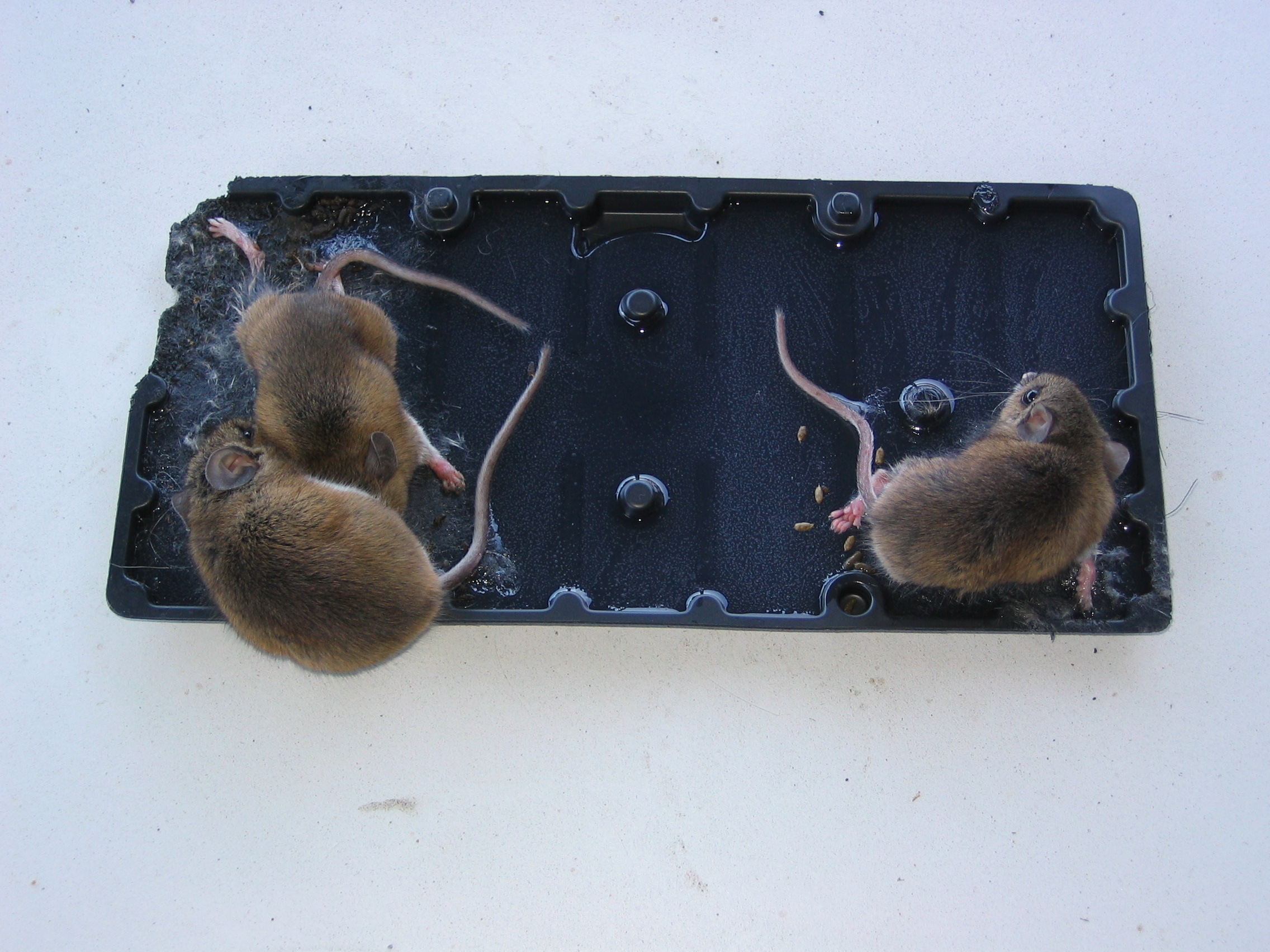
Mice Removal From Sticky Trap with Vegetable Oil Does Not Work!


When mice enter the home it can be aggravating as well as stressful. Mice can leave behind droppings that are messy as well as get into packaged food, leaving you with even more mess in the home. For many home owners, the only methods they know of to remove mice are sticky traps. Mouse glue traps are a form of mice removal but is considered to be a cruel option. There are more humane ways to remove mice from your home without hurting the creature. Mice are simply looking for food and a warm place to stay when they enter your home. Consider other methods such as wildlife removal services to have the mice removed in a humane manner.

If you have used mouse glue traps, once you catch the mouse, you will find that the creature will try to get away. The mouse will be frantic and will end up tearing off its skin to try and get away. It can take days for a mouse to die after becoming stuck to a sticky trap. Mice can also suffocate if they become stuck to the trap with their nose or mouth.

You can try removing the mouse from the glue trap but this can be difficult. Many websites recommend using vegetable oil to help remove the mouse from the trap but this is not a good idea. The usage of such oil can actually interfere with the natural waterproofing of the creature. Use too much oil and you may free the mouse but you lower the survival rate of the creature once it has been released. This is why it is recommended that you do not use such traps to try and catch mice in the home.

Once you realize that mice are living in your home, contact wildlife experts. Have a technician in the field of wildlife removal to review your home. The expert will be able to determine how the mice are entering the home and where they are living. Humane traps can be used to catch the mice and then the creatures will be relocated. By taking this method, the mice are safe and you are able to reclaim your home.

After the mice have been removed, you will need to have the area in which the mice were living cleaned. Feces and urine can affect the home in a negative manner. In an attic space, insulation may need to be replaced as well as portions of the wood that may have been affected. The technician will have a full report for you so that you can know which areas of your home were affected and a plan of action can be created to get your home back to normal in no time.

Have the experts at Skedaddle Humane Wildlife Control review your home to see if mice may be a problem. Have the mice removed and relocated in a humane manner, feeling good about your choice for removal as the creatures can move on to have a life in a new area, far from your home!

Friday, January 20, 2017

Rat Bite Fever: Symptoms, Treatment, & Prevention


Rat bite fever is an infectious disease that can be created by two strains of bacteria. The two bacteria involved are streptobacillary RBF and Spirillum Minus. The disease is commonly transmitted to humans by an infected rodent or by eating or drinking contaminated items. If the disease is not treated, then RBF can lead to serious health conditions as well as eventual death.

Transmission of the Disease
There are several ways that people can contract RBF. The most common form of transmission comes in three ways. One is if the individual is bitten or scratched from an infected rodent. Secondly, an individual can contract the disease if they handle a rat that is infected even if not bitten or scratched. Food or drink that is consumed after being contaminated with RBF can also cause the disease in humans.

Signs and Symptoms of RBF
There are several rat bite symptoms that an infected individual will see that will indicate the disease is present. Each type of RBF has its own symptoms. With Streptobacillary RBF, you will have a fever, vomiting, headache, muscle pain, joint pain and rash. Three to ten days after being exposed, an individual will begin to see symptoms. However, symptoms can be delayed as long as three weeks.

With Spirillary RBF, symptoms will include fever, an ulcer around the bite wound (if applicable), swelling near the wound, lymph node swelling and rash. The symptoms of this disease are associated with Haverhill fever.

Are You At Risk?
You may be wondering if you are at risk of developing RBF by being exposed to rats with the disease. If you live in a building that is infested with rats, have a pet rat at home or work in an area that has rats such as a pet store or laboratory, you may be at risk. If you find that rats have moved into your home, they need to be removed to lower your risk of acquiring RBF.

Rats can be removed by contacting wildlife Removal Company. Such companies will provide you with humane removal of the rats and suggest cleanup alternatives to ensure your home is not susceptible to disease or other issues.

Treatment
If you feel that you have been affected by rat bite fever and show symptoms, contact a health professional immediately. Antibiotics will be prescribed and can be effective in curing the disease. Penicillin is the most common form of antibiotic used to treat the disease. If you do not receive treatment you can have an infection set in that will affect the heart, brain, lungs or other internal organs. Such infections can include meningitis, pneumonia, myocarditis, pericarditis and more.

To have your home rid of rats, contact Skedaddle Humane Wildlife Control. The wildlife removal company has the know-how and experience to take care of your rat infestation needs including humane removal. Reclaim your home from the rats as the creatures are removed and your daily life once again becomes normal. Contact Skedaddle to learn more about the process of removal or to schedule an appointment.

Tuesday, November 22, 2016

How to Evict Your Raccoon Roommates

Raccoons are never welcome in the home but many times, the creatures find a way to become roommates with you and your family. You may have no idea that raccoons are actually living in your home until you see one or hear noises coming from the attic space. Raccoons commonly call attics home and raccoon removal services are essential to removing the creature and preventing them from entering your home once again. Learn just what to do to evict the unwanted roommate so you can enjoy your home pest free.

Exterior Inspection
To get started, an exterior inspection will need to be conducted. This can be done by a raccoon removal specialist or yourself. Take a look along the roofline and see if you can determine where the creature might be entering. Raccoons are very strong and intelligent and gain access to the attic space via soffits, siding and vent systems. Clues are always left behind so you can see the entry point in which they are gaining access to your home. You may be able to see such clues from the ground or may need to climb on to the roof for a close-up inspection.

Stopping Entry
Once a removal specialist has examined the exterior of the home, a plan will be put in place. You will be given a written estimate so that you can see how much it costs to remove the critter and what will take place. Technicians will start by examining the actual attic for raccoon babies. Babies will be removed and placed in a container for safe keeping. The baby box will be placed near the entry and exit point of the mom so she will be able to come out and then be removed to another area, far away from your home.

The technician will then inspect your attic for any damages and make recommendations as to what might need to be done from clearing out debris to cleaning up damage such as chewed wood boards or feces.

Once all raccoons have been removed from the home, the technician will then get to work securing the entry points. Grating is added to the area to keep critters such as raccoons from entering once again. Deodorization is a key component as well since raccoons leave behind a scent that can attract more raccoons. By deodorizing the area, you will not have the same problem again.


Sometimes a one way door is used to see the adult raccoons removed from the home. If this is used, the technician will return to your home once the raccoon has exited the attic space. The door will be removed and grating put in place to ensure critters cannot gain access once again.

To learn more about raccoon removal or how to prevent raccoons from entering the home, contact Skedaddle Humane Wildlife Control. The wildlife experts are ready to assist you with all pest removal needs in a safe and humane way. Learn more about all different types of pests by visiting their website for more information.

Tuesday, November 15, 2016

Some illnesses you can acquire from bat guano


Bats are a creature that most people are afraid of. While the creature is good for insect control, they are also known to carry disease such as rabies. However, what most people don’t know is that bats carry another dangerous disease that should be avoided, histoplasmosis.

When bats take up residence in a home, it is usually in the attic area. Bats will enter the attic via small openings in the roofline, venting or soffits. As the bats claim the space as their own, bat droppings will occur. Bat droppings, known as guano, is a carrier of histoplasmosis, a disease that can infect humans through inhalation.

Understanding Histoplasmosis

The infectious disease known as histoplasmosis can be caught by humans when the spores of the fungus of histoplasmosis capsulation is inhaled. The disease is not contagious but is something that most home owners are completely unaware of. Anyone can be subject to the disease but there are individuals who are more susceptible to catching it. Roofers, installers of HVAC systems, construction workers, etc., anyone who would work in an area where bats may be present are at risk for inhaling the spores.

Even individuals inside a home can be exposed. If the disease is present, the spores can work their way into the ductwork system of your home and be present in the air. The spores are then inhaled and the individuals begin to feel bad, though they may have no idea what they are suffering from.

When affected by the disease via bat droppings, you may have no symptoms or light symptoms for a few days. It usually takes around ten days for an individual to begin to feel chest pain, have a fever, lose their appetite, experience headaches, impaired vision and even muscle pain. The disease can actually run its course and you have no idea you were subject to histoplasmosis and simply think you are suffering from the flu.

However, there have been cases where the disease affects individuals in a serious manner and can create long-term illness or even death. Those with weakened immune systems are the most susceptible to getting the disease and being affected by it in a negative manner.

If you find bats are living in your area, check to see if you might have an infestation. If you find bats are circling your roofline or appear to be coming in and out of your home, contact a wildlife specialist. You will need to have your attic and roof inspected by a professional. Experts in bat removal will be able to tell exactly where the bats are gaining entry and assist with the removal of the creatures.

If you have no experience with bats, it is best to leave the removal to the experts. Individuals with years of experience know how to remove the bats from the home in a safe manner that will be humane to the bats as well as protect you and your family. After removal, the area affected will be evaluated to see what cleanup measures need to be taken and how to keep your family safe by removing any entry points the bats may have been using to enter your home.

Bat removal services are provided by Skedaddle Humane Wildlife Control, a company with years of experience in pest control. Contact Skedaddle if you need help with bat removal or have issues with other pests in the home.